
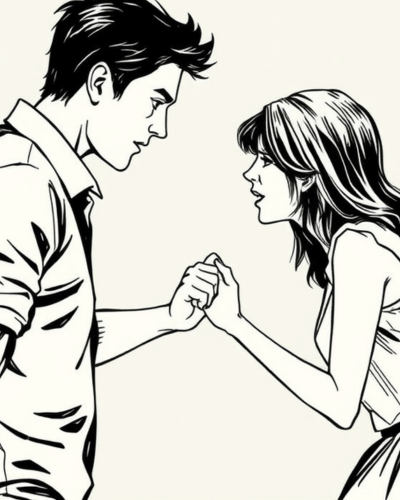
Abuse in relationships means one partner uses harmful behavior to control, hurt, or dominate the other. It can be physical, sexual, emotional, or financial, and it can happen in any relationship, regardless of gender, age, or sexual orientation. Abuse rarely looks the same twice. Sometimes it’s a slap. Sometimes it’s a partner who slowly cuts you off from your friends until you feel like you have no one else. Both are abuse.
If you think you or someone you love may be in danger right now, call the National Domestic Violence Hotline at 1-800-799-7233, available 24/7, or visit thehotline.org. You don’t have to already be “sure” it’s abuse to reach out.
This guide walks through the main types of abuse, the warning signs to watch for, the psychology behind why abuse happens, why leaving is so hard, and what real steps you can take next whether that’s for yourself or for someone you care about.
What Are the Different Types of Abuse in a Relationship?
Most people picture abuse as physical violence. In reality, abuse takes four main forms, and they often overlap. A relationship doesn’t need bruises to be abusive.
Physical Abuse
Physical abuse is any use of force meant to hurt, scare, or control a partner. This includes hitting, slapping, biting, choking, shoving, or using a weapon. It also covers behavior people often overlook, like throwing objects, blocking someone from leaving a room, or restraining them physically during an argument. Physical abuse tends to escalate over time, starting small and becoming more frequent or more severe.
Sexual Abuse
Sexual abuse happens when a partner is pressured, manipulated, or forced into sexual activity they didn’t consent to. It includes rape within a relationship or marriage, coercing a partner into acts they’re uncomfortable with, and blaming the victim for the abuse itself. Consent matters just as much inside a long-term relationship as it does anywhere else. A partner does not owe sex because they’re in a relationship.
Emotional and Psychological Abuse
Emotional abuse is harder to spot because it leaves no visible marks, but it can be just as damaging. It shows up as name-calling, constant criticism, guilt-tripping, the silent treatment, and gaslighting, where a partner makes you doubt your own memory or judgment. Love bombing such as intense affection and gifts early on, followed by control is another common pattern. Over time, emotional abuse chips away at self-esteem until the victim starts to believe the abuser’s version of reality.
Economic Abuse
Economic abuse is about control through money. An abusive partner might stop you from working, get you fired by showing up at your job, force you to ask permission for every purchase, or take money you’ve earned. This form of abuse often traps victims in the relationship, because leaving means leaving with nothing.
What Are the Warning Signs of an Abusive Relationship?
Abuse usually doesn’t start with violence. It starts small and builds. Common early warning signs include:
-
- Jealousy or possessiveness that gets framed as love
- Checking your phone, messages, or location without asking
- Fast, intense commitment early in the relationship
- Criticism disguised as “just being honest”
- Isolating you from friends or family, one relationship at a time
- Mood swings that make you feel like you’re walking on eggshells
- Blaming you for their anger or behavior
None of these on their own always means abuse. But a pattern of several, especially ones that get worse over time, is a signal worth taking seriously.
Why Do People Become Abusive? The Psychology Behind Abuse
Abuse isn’t usually about losing control. It’s about gaining it. Researchers have proposed several theories to explain why abuse happens, and each one captures a different piece of the picture.
Resource theory suggests that power in a relationship often follows who holds more resources, like income, education, or social standing. Partners with fewer resources of their own sometimes have a harder time leaving or pushing back, while partners who feel they’re losing status or resources may turn to control or violence to compensate, according to research summarized by the American Psychological Association.
Social exchange theory frames abusive behavior as a kind of cost-benefit calculation. An abusive partner may keep abusing because the perceived rewards, like a release of anger or a sense of control, feel greater than the risks, such as the relationship ending or facing consequences.
Social learning theory points to childhood exposure. Children who grow up watching abuse at home are statistically more likely to either become abusive or end up in an abusive relationship as adults, since abusive conflict resolution can be normalized rather than corrected, a pattern documented by the Centers for Disease Control and Prevention.
Ecological systems theory looks beyond the individual, arguing that abuse is shaped by overlapping systems: family, community, economic pressure, and cultural attitudes that tolerate or excuse controlling behavior toward women and children.
What Increases the Risk of Someone Becoming Abusive?
No single factor causes abuse, but certain patterns increase the risk. These include a history of witnessing or experiencing abuse as a child, poor anger management, substance use, untreated antisocial traits, chronic stress, and attitudes that excuse or minimize violence. Recognizing these risk factors doesn’t excuse abusive behavior. It simply helps explain why prevention and early intervention matter.
Why Do Victims Stay in an Abusive Relationship?
This is one of the most misunderstood parts of domestic abuse. Victims often leave and return several times, sometimes five or more, before leaving for good. That’s not weakness. It reflects how complicated and dangerous leaving actually is.
Common reasons people stay include:
- Fear that leaving will trigger violence or retaliation
- Financial dependence on the abuser
- Shame or embarrassment about the relationship
- Concern for children and family stability
- Isolation from the support system that could help them leave
- Hope that the person will change
- Lack of a concrete safety plan
Leaving an abuser is often the most dangerous point in an abusive relationship, according to the National Coalition Against Domestic Violence, which is why a safety plan matters more than urgency.
How Can You Support Someone in an Abusive Relationship?
If someone you love is being abused, your instinct might be to tell them to leave immediately. Resist that urge. Pressure can push them closer to their abuser and further from you. Instead:
- Listen without judgment, and believe them
- Avoid criticizing their partner directly, which can make them defensive
- Remind them the abuse isn’t their fault
- Help them build a support network instead of replacing it
- Share hotline resources without insisting they use them right away
- Stay patient. Leaving is a process, not a single decision
How Do You Leave an Abusive Relationship Safely?
Safety planning matters more than speed. A few starting steps:
Reach out to the National Domestic Violence Hotline (1-800-799-7233) or a local shelter for a confidential safety plan tailored to your situation.
Document evidence of abuse where safe to do so, including messages, photos of injuries, and dates of incidents.
Secure important documents like ID, financial records, and medication ahead of time.
Set aside money separately if economic abuse is part of the pattern.
Identify a safe place to go, whether that’s a friend, family member, or shelter.
Leave when the abuser isn’t present, if possible, since leaving in the moment can be the most dangerous time.
You deserve support through this process, not judgment. For related emotional patterns that often show up alongside abusive dynamics, see our guide on emotional dysregulation in relationships, and explore more in our Relationship Psychology section.
FAQs
Occasional raised voices during conflict aren’t automatically abuse, but yelling that’s meant to intimidate, humiliate, or control a partner, especially as a repeated pattern, falls under emotional abuse.
? A toxic relationship involves unhealthy patterns like poor communication or frequent conflict, but both partners usually have equal power. Abuse involves a deliberate pattern of control, fear, or harm, often with one partner holding power over the other.
Yes. Abuse affects people of any gender, in both heterosexual and same-sex relationships. Men often face additional barriers to seeking help due to stigma and a lack of resources tailored to them.
Fast-moving intensity early on, like quick declarations of love followed by jealousy or possessiveness, is one of the most common early warning signs.
Call the National Domestic Violence Hotline at 1-800-799-7233, available 24/7, or visit thehotline.org for confidential support and safety planning.