
If your child has oppositional defiant disorder, diet will not cure it. But the right foods can calm the brain chemistry behind angry outbursts, and the wrong ones can make a hard day harder. Research on children with ODD and ADHD backs this up: certain nutrient gaps show up again and again in kids with irritability and defiance, and fixing them helps some children settle down. This guide walks through what to feed your child, what to cut back on, what the studies actually show about supplements and elimination diets, and a full sample day of meals you can start tonight.
What Is Oppositional Defiant Disorder?
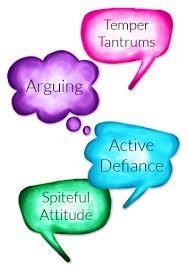
ODD is a behavioral condition where a child argues, refuses, and pushes back against adults far more than is typical for their age. The American Academy of Child and Adolescent Psychiatry notes that ODD shows up in somewhere between 1 and 16 percent of school-age children, and that biological, psychological, and social factors all play a part. It often travels alongside ADHD, anxiety, or mood problems, which matters here, because a lot of the nutrition research on ODD comes from studies that looked at children with both conditions together.
If you already have a diagnosis and you’re looking for food strategies, skip ahead. If you’re not sure your child meets the criteria, it’s worth a proper evaluation before you change anything at home, since some of what looks like defiance is actually anxiety, sensory overload, or an undiagnosed learning problem.
Can Food Really Change Defiant Behavior?
Yes, to a real but limited degree. The brain runs on the raw materials you eat. Neurotransmitters like serotonin and dopamine, the chemicals that regulate mood, impulse control, and frustration tolerance, are built from nutrients like tryptophan, B vitamins, zinc, and iron. When a child is short on these, the brain has less to work with, and self-control gets harder.
This doesn’t mean a snack fixes a tantrum. It means that over weeks, steady nutrition can shift the baseline: fewer blood sugar crashes, more stable serotonin production, less inflammation, and a nervous system that’s easier to calm down. Think of food as one lever among several, alongside parent training, therapy, and sometimes medication, not a stand-in for any of them.
Foods That May Help With ODD Symptoms
Protein at every meal
Protein breaks down into amino acids, including tryptophan, which the body needs to make serotonin. Low tryptophan intake has been linked to more fearfulness and poorer emotional control. Good sources include eggs, fish, poultry, beans, and lentils. Pairing protein with a healthy fat and a slower-digesting carb, rather than serving carbs alone, also helps keep blood sugar steady, which matters a lot for kids who get irritable between meals.
Omega-3-rich foods
Omega-3 fats support communication between neurons and play a role in dopamine and serotonin activity. Fatty fish like salmon and sardines, walnuts, chia seeds, and flaxseed are the best food sources. If your child won’t eat fish, an omega-3 supplement is worth discussing with their pediatrician.
Zinc and iron sources
Zinc deficiency has been tied to more severe hyperactivity and behavioral symptoms in some children, and it also helps the brain regulate the stimulants involved in impulsivity. Iron deficiency, separately, is linked to irritability, fatigue, and low frustration tolerance. Meat, poultry, beans, pumpkin seeds, and leafy greens cover both. Pair iron-rich plant foods with a vitamin C source like citrus or bell peppers, since vitamin C helps the body absorb non-meat iron far more efficiently.
Vitamin B12 and vitamin E
B12 supports serotonin production and is found mostly in animal foods: eggs, dairy, fish, and meat. Kids on a vegetarian or vegan diet may need a supplement, since plant foods don’t provide much B12. Vitamin E acts as an antioxidant that protects brain cells and also helps the body use omega-3s more effectively; nuts, seeds, and vegetable oils are reliable sources.
Magnesium-rich foods
Magnesium supports nerve signaling and has a calming effect on the nervous system. Leafy greens, pumpkin seeds, almonds, and whole grains are good everyday sources.
Foods and Ingredients to Watch Out For
Artificial food dyes and preservatives
This is the area with the most consistent research behind it. Multiple studies have linked artificial food colors to increased hyperactivity and behavioral problems in sensitive children. Common culprits sit in brightly colored candy, sports drinks, and cereal. Reading labels for dyes like Red 40, Yellow 5, and Yellow 6 is a low-effort place to start.
Added sugar, in excess
The idea that sugar alone causes bad behavior isn’t as clear-cut as it sounds, and some research pushes back on it. What is well established is that a diet heavy in sugary snacks with no protein or fat causes blood sugar spikes and crashes, and the crash side of that cycle often looks like irritability and short temper. The fix isn’t zero sugar; it’s pairing sweets with protein or fat and not relying on sugar as a stand-alone snack.
Ultra-processed and commercially baked goods
These tend to be low in omega-3s and high in the kind of saturated and trans fats that don’t support brain development. Swapping packaged snack cakes and chips for nuts, avocado, olive oil-based foods, and homemade baked goods with whole ingredients is a realistic upgrade.
Gluten, but only if there’s a real sensitivity
You’ll see claims online that gluten broadly worsens behavior in all kids. The evidence for this is much thinner than the evidence around food dyes, and it mostly applies to children who already have a diagnosed gluten sensitivity, celiac disease, or a confirmed reaction found through an elimination trial. Cutting gluten without a clear reason adds a lot of restriction for uncertain benefit, so this one is worth testing carefully rather than assuming.
The Elimination Diet Approach: What the Research Actually Shows
The most rigorous nutrition research on ODD comes from what’s called a few-foods elimination diet. In one well-designed study of children with ADHD and ODD, kids followed a short, restricted diet for five weeks under a trained professional, then reintroduced foods one at a time to identify personal triggers. The children who responded showed a real drop in both ADHD and ODD symptoms, and several were able to reduce their medication as a result.
This is not a diet to run at home on your own. It requires a pediatrician or dietitian to make sure your child still gets enough calories and nutrients during the restriction phase, and to interpret the reintroduction results correctly. If you’re curious whether food sensitivities are driving your child’s symptoms, ask your pediatrician for a referral to a dietitian who has done this protocol before.
What about Supplements?
A body of research led by psychologist Julia Rucklidge and colleagues has tested broad-spectrum micronutrient formulas, essentially a wide-ranging multivitamin-mineral blend, in children with emotional and behavioral dysregulation, including some diagnosed with ODD. In a case series published in the Journal of Medical Case Reports, children taking a broad-spectrum formula for 16 weeks showed measurable improvement across multiple behavior scales, including aggression and social problems. A more recent randomized trial found that a micronutrient powder reduced emotion dysregulation in young children over several months.
These results are encouraging, but supplement research in this space is still early, sample sizes are small, and formulas vary widely in what they actually contain. Don’t start a child on a high-dose multivitamin or mineral blend without checking with their pediatrician first. Some nutrients, like iron and zinc, cause problems in excess, so more is not automatically better.
Sample One-Day Meal Plan for a Child With ODD
This isn’t a rigid prescription, just a realistic template built around the nutrients above.
- Breakfast: Scrambled eggs, whole-grain toast, and orange slices (protein, B12, vitamin C for iron absorption later)
- Mid-morning snack: Apple slices with almond butter (fiber, protein, healthy fat, no dye-heavy packaged snacks)
- Lunch: Grilled chicken or salmon, brown rice, and steamed broccoli (protein, omega-3, zinc, iron)
- Afternoon snack: Plain yogurt with berries and a sprinkle of pumpkin seeds (magnesium, protein, gut-supporting probiotics)
- Dinner: Lentil and vegetable soup with whole-grain bread and olive oil (plant protein, iron, magnesium, healthy fat)
- Evening: A small handful of walnuts if an evening snack is needed, instead of packaged cookies or sugary cereal
Keep portions age-appropriate and let your child have input on which proteins, fruits, or vegetables they actually like from this list. A meal plan nobody eats doesn’t help anyone.
ODD Diet vs. ADHD Diet: What’s the Difference?
Because ODD and ADHD overlap so often, the dietary approach looks almost identical: steady protein, omega-3s, zinc, iron, and fewer artificial additives. The main difference is emphasis. ADHD nutrition research leans harder into attention and focus, so it often highlights caffeine sensitivity and morning protein for concentration. ODD research leans more into mood regulation and irritability, so the focus sits more on serotonin-supporting foods and blood sugar stability throughout the day. If your child has both, as many do, one nutrition plan can reasonably cover both sets of needs. If you want a deeper look at how the two conditions show up differently day to day, our ADHD symptoms checklist for adults covers the attention and impulsivity side in more detail, and pairs well with what’s covered here for families managing both diagnoses across different age groups.
Diet Supports Treatment, It Doesn’t Replace It
Nutrition is one piece of a bigger plan. The treatments with the strongest evidence behind them for ODD are parent management training, school-based behavioral support, and cognitive behavioral therapy, with medication sometimes added when another condition like ADHD is also present. Food changes work best alongside these, not instead of them. If your child’s behavior is affecting school, friendships, or family life, a comprehensive evaluation from a child psychologist or psychiatrist is the right next step, and diet can be one part of the plan you build together. Understanding how food timing affects mood and energy throughout the day can also help you decide when meals and snacks will do the most good for your child’s behavior.
This article is for general information and does not replace advice from your child’s doctor, dietitian, or mental health provider. Talk with a pediatrician before making significant changes to your child’s diet or starting any supplement.
Sources
- Pelsser et al., “ROMAN: The Effectiveness of the Few-Foods Diet in General Practice,” Frontiers in Psychiatry — https://www.ncbi.nlm.nih.gov/pmc/articles/PMC7081264/
- Kaplan et al., “Micronutrient treatment for children with emotional and behavioral dysregulation: a case series,” Journal of Medical Case Reports — https://www.ncbi.nlm.nih.gov/pmc/articles/PMC4625731/
- Katta, Blampied, Eggleston, Rucklidge, “Micronutrients absorbed via the oral mucosa reduce emotion dysregulation in 5–10-year-old children,” PLOS ONE — https://www.ncbi.nlm.nih.gov/pmc/articles/PMC11620378/