
Food synergy is the idea that certain foods deliver more health benefit when eaten together than when eaten alone. Pairing vitamin C-rich foods with plant-based iron, for example, can boost iron absorption by up to 300%. Below, we cover exactly how this works, the best-researched food pairings, and how to build these combinations into your everyday meals.
The Science behind Food Combinations
Food synergy rests on a simple idea: some nutrients work better together. They either help each other get absorbed more efficiently or trigger body processes that boost each other’s effect. This isn’t the same as “food combining” diets, which claim certain foods shouldn’t be eaten together for digestion reasons. Infact, food synergy is the opposite concept, backed by nutrition research, and focuses on foods that work better in combination. A 2019 review in the Journal of Ethnic Foods found consistent evidence that nutrient combinations from whole foods outperform isolated nutrients for several health markers.
Benefits of Food Synergy
- Better nutrient absorption — pairing carrots or sweet potatoes with a healthy fat like olive oil or avocado improves vitamin A absorption.
- Improved nutrient bioavailability — adding lemon juice to spinach converts plant-based iron into a form your body absorbs more easily.
- More benefit from whole foods — nutrients in their natural, whole-food form tend to work better together than isolated supplements.
- Combined antioxidant power — some food pairs, like raspberries and dark chocolate, boost each other’s antioxidant effect.
- Steadier energy and fullness — mixing protein, healthy fats, and complex carbs keeps blood sugar stable and curbs hunger longer.
Best Food Pairings
|
Pairing |
Primary Benefit |
|
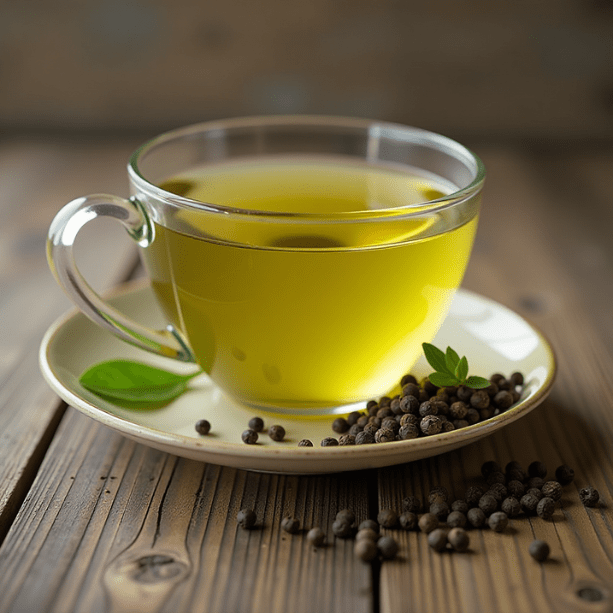
Green tea + black pepper (or lemon) |
Better antioxidant (EGCG) absorption |
|
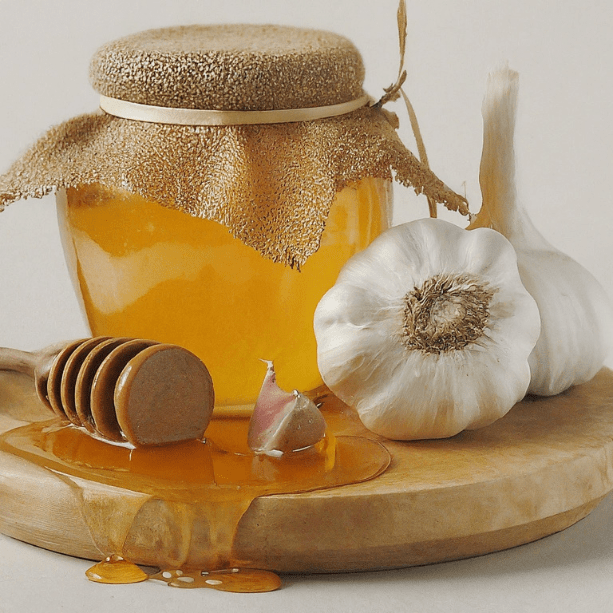
Garlic + honey |
Stronger antibacterial effect |
|
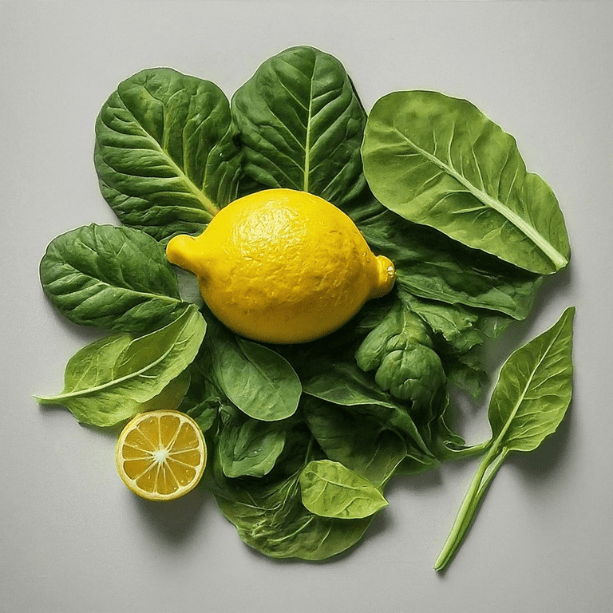
Lemon + green leafy vegetables |
More iron absorption, supports haemoglobin |
|
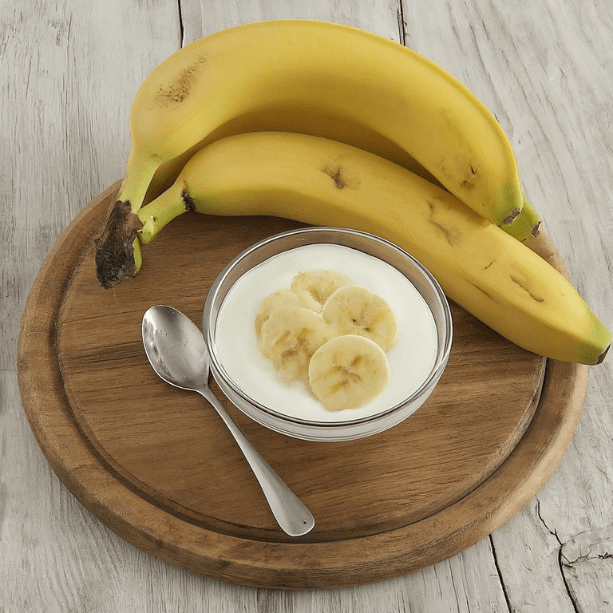
Yoghurt + banana |
Improved gut bacteria and digestion |
|
Onion + grapes |
Antioxidant and cardiovascular protection |
|
Red meat + rosemary/spices |
Fewer carcinogenic compounds from grilling |
|
Blueberries + strawberries |
Combined antioxidant, neuro-protective effect |
|
Protein + fiber |
Longer-lasting fullness, stable blood sugar |
|
Turmeric + black pepper |
Piperine boosts curcumin absorption significantly |
|
Tomatoes + olive oil |
Fat improves lycopene absorption |
Synergistic Food Pairings, Explained
Green Tea and Black Pepper (or Lemon)
Green tea and black pepper work together to help the body absorb epigallocatechin gallate (EGCG), the primary antioxidant compound in green tea. Piperine, the active compound in black pepper, slows the breakdown of EGCG in the stomach so more of it stays available in the body. Lemon works through a similar route. Vitamin C helps the body absorb and use green tea’s antioxidants more efficiently, so catechins and vitamin C end up working synergistically.
Garlic and Honey
Garlic and honey combine phenols and fatty acids that significantly boost antibacterial activity. Together they work synergistically to reduce bacterial growth more effectively than either food does alone. This is the reason that this pairing shows up often in traditional immune-support remedies.
Lemon and Green Leafy Vegetables
This pairing helps address iron deficiency. Vitamin C in lemon converts plant-based iron from leafy greens into a form the body absorbs far more easily, which supports healthy haemoglobin levels over time.
Yoghurt and Banana
Yoghurt supplies probiotics (good bacteria), while bananas contain inulin, a prebiotic fiber that feeds those bacteria. Eating them together supports gut health and digestion more effectively than either food alone — a pairing worth knowing if gut health is connected to the mood and stress topics we cover across Thought Mending
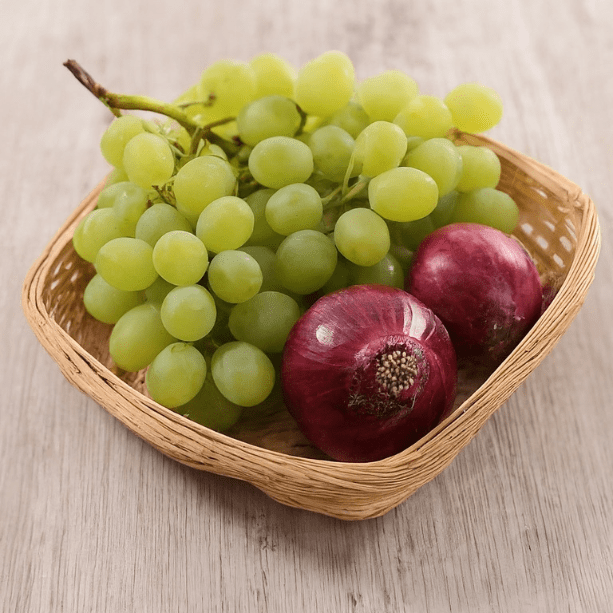
Onion and Grapes
Research has found that the onion-and-grape combination produces a synergistic antiproliferative effect. Black grapes are rich in the antioxidant catechin, linked to cardiovascular and neurological protection, and this pairing has also been studied for easing allergy symptoms and supporting circulation
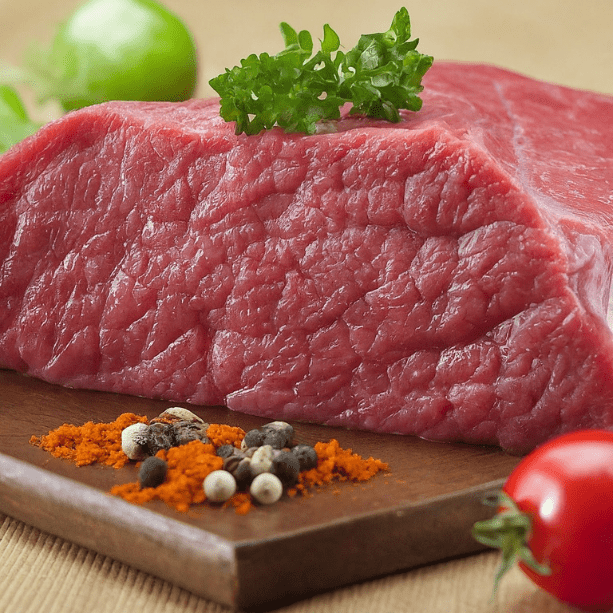
Red Meat and Spices
Grilling red meat at high temperatures produces carcinogenic compounds. Certain phenolic antioxidants in rosemary have been shown to reduce the formation of these compounds when added before or during cooking. It lowers risk without changing your meal.
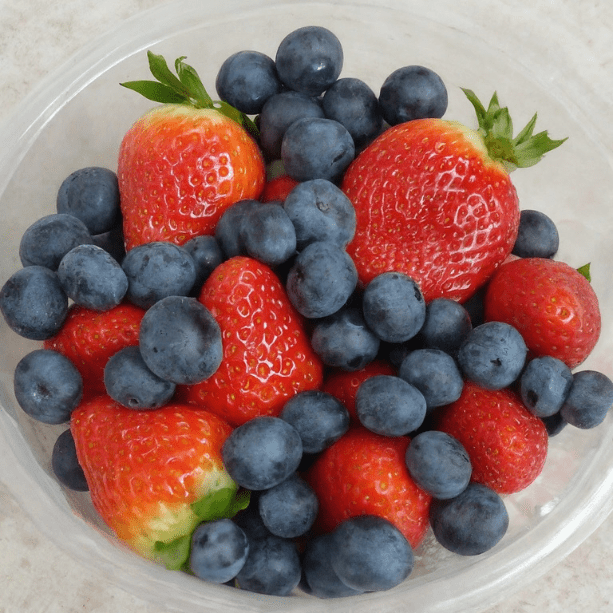
Blueberries and Strawberries
Together, these two berries show a stronger protective antioxidant effect on neuronal function than either does alone, reducing oxidative stress and inflammation that can otherwise interfere with healthy brain signaling.
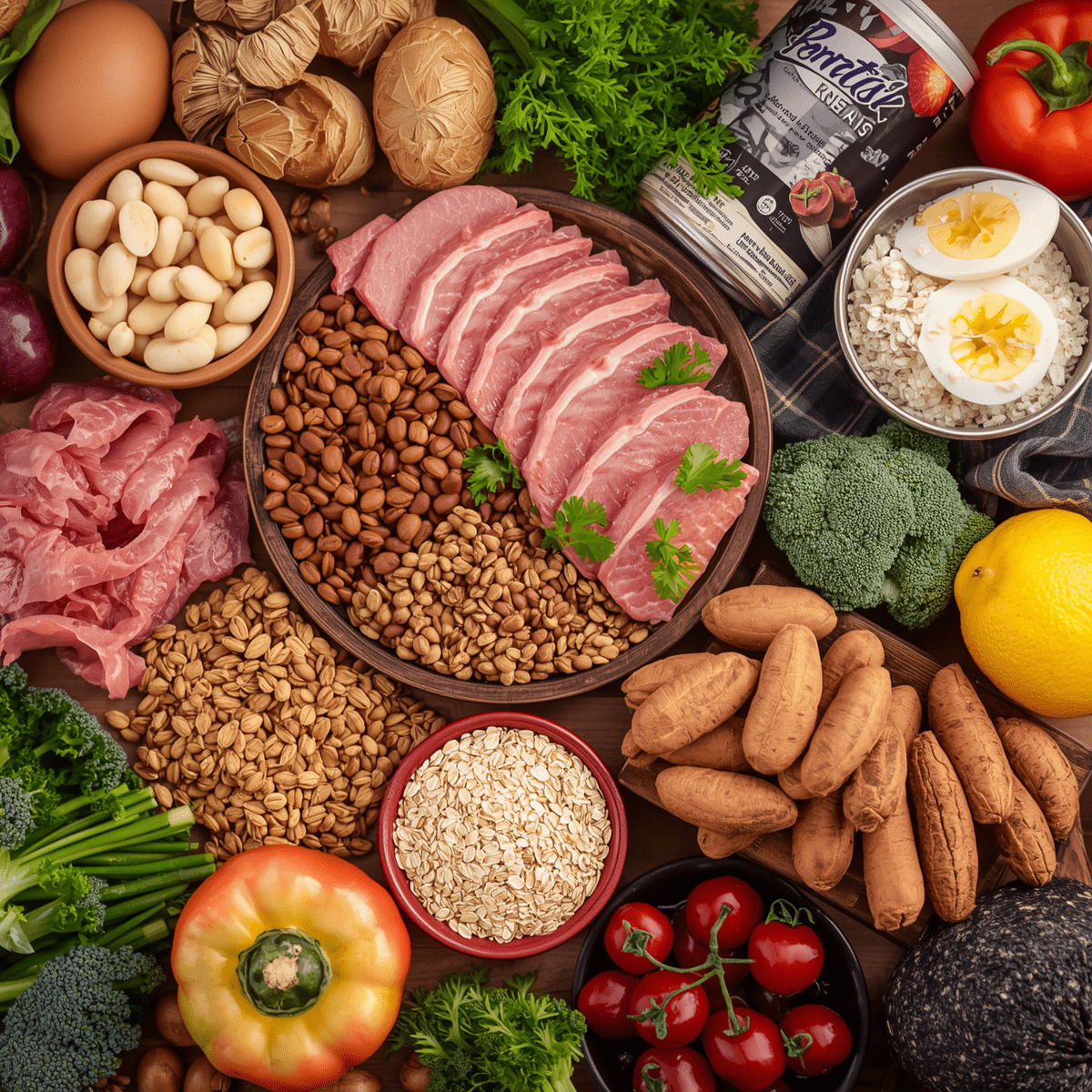
Protein and Fiber
Pairing protein with fiber slows digestion and keeps hunger in check for longer. Grilled chicken with a side of lentils or mixed vegetables is a simple, filling combination that also helps stabilize blood sugar.
Turmeric and Black Pepper
Curcumin, the active anti-inflammatory compound in turmeric, is poorly absorbed on its own. Piperine in black pepper along with a small amount of fat significantly increases how much curcumin the body can actually use, according to nutrition research from institutions including Salisbury University’s food science program.
Tomatoes and Olive Oil
Lycopene, the antioxidant that gives tomatoes their color, is fat-soluble. Adding olive oil (or any healthy fat) to tomato-based dishes improves how much lycopene your body.
How to Practice Food Synergy in Daily Meals
You don’t need to overhaul your diet to benefit from food synergy. Use this simple framework when building a plate:
- Start with a fiber-rich base — vegetables, legumes, or whole grains.
- Add a protein anchor — eggs, fish, poultry, tofu, or legumes.
- Include a healthy fat or vitamin C source — olive oil, avocado, citrus, or bell peppers — to activate absorption.
- Finish with herbs or spices — black pepper, turmeric, garlic, or rosemary — for both flavor and added bioavailability.
A simple example: sautéed spinach (base) with grilled salmon (protein), a drizzle of olive oil (fat), and a squeeze of lemon (vitamin C) hits all four categories in one dish.
A Word of Caution
Nutrient absorption varies from person to person, so food synergy isn’t a guarantee. It’s a helpful pattern, not a strict rule. Don’t let it become a reason to avoid a food just because its “pair” isn’t available; any variety of whole foods still beats an isolated, restrictive approach.
Conclusion
Food synergy shows that what you eat together can matter as much as what you eat alone. Pairings like green tea with lemon, turmeric with black pepper, and tomatoes with olive oil are simple, low-effort ways to get more nutritional value from meals you’re likely already eating. Start with one pairing this week, the fiber-protein-fat-spice framework above makes it easy to build from there.
Read Also: 6 Best Foods That Release Endorphins
References
Hallberg, L., Rossander-Hulthèn, L., Brune, M., & Gleerup, A. (1993). Inhibition of haem-iron absorption in man by calcium. British Journal of Nutrition, 69(2), 533–540. https://doi.org/10.1079/bjn19930053
Lambert, J. D., Hong, J., Kim, D. H., Mishin, V. M., & Yang, C. S. (2004). Piperine enhances the bioavailability of the tea polyphenol (−)-epigallocatechin-3-gallate in mice. The Journal of Nutrition, 134(8), 1948–1952. https://doi.org/10.1093/jn/134.8.1948
Mandal, S., Rajani, G., Sharma, R., & Gupta, N. (2012). In vitro antioxidant and anti-inflammatory potential of Polyalthia longifolia in rats. Indian Journal of Pharmacology, 44(2), 277. https://doi.org/10.4103/0253-7613.93873
Natarajan, T. D., Ramasamy, J. R., & Palanisamy, K. (2019). Nutraceutical potentials of synergic foods: a systematic review. Journal of Ethnic Foods, 6(1). https://doi.org/10.1186/s42779-019-0033-3
Tsen, S., Ameri, F., & Smith, J. (2006). Effects of rosemary extracts on the reduction of heterocyclic amines in beef patties. Journal of Food Science, 71(8), C469–C473. https://doi.org/10.1111/j.1750-3841.2006.00149.x
