
Have you ever felt nervous before a big exam and got a stomachache? Or eaten junk food all week and felt moody and tired? That is not a coincidence. Your gut and your brain talk to each other all the time. And what you eat plays a huge role in how your gut feels, how your body works, and even how you feel mentally.
Related: Gut-brain connection
In this article, we break down the 10 best foods for gut health. These are simple, real foods you can find at any grocery store. No complicated diets. No expensive supplements. Just food that works.
What Is Gut Health and Why Does It Matter?
Your gut is your digestive system. It runs from your mouth all the way to your intestines. Inside your gut live trillions of tiny organisms called the gut microbiome. These include bacteria, fungi, and other microbes.
When your gut microbiome is healthy and diverse, your body works better. You digest food properly. Your immune system is stronger. Your mood is more stable. But when your gut microbiome is out of balance, things go wrong. You may feel bloated, tired, anxious, or sick more often.
You would love to know that what you eat can change your gut health in as little as 24 to 48 hours. That means you can start improving your gut today. Here are some best foods that are good for your hut health:
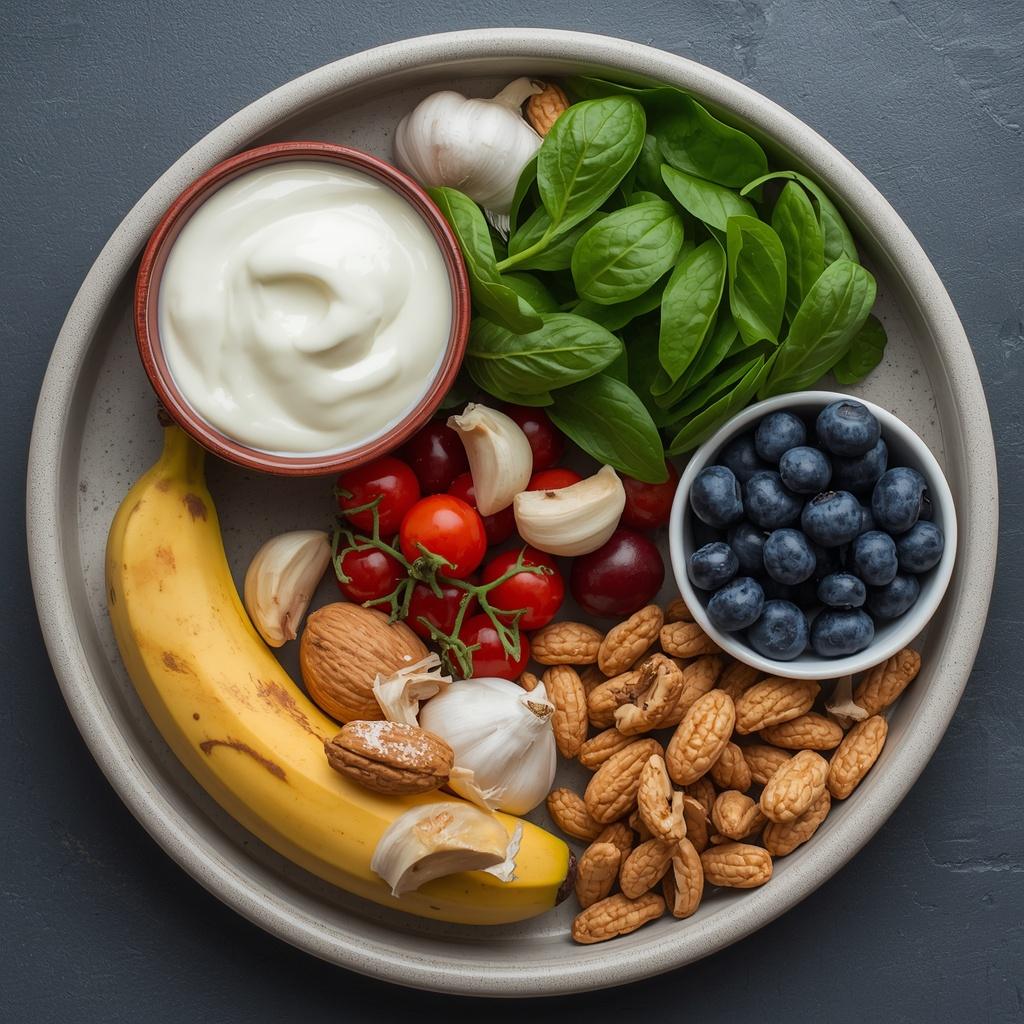
Yogurt
Yogurt is one of the best foods for gut health. It is packed with probiotics, which are live good bacteria. These bacteria go into your gut and help keep everything balanced. Look for plain yogurt with the label “live and active cultures.” Avoid yogurts with lots of added sugar. Sugar feeds the bad bacteria in your gut, which is the opposite of what you want.
Why it helps: Probiotics in yogurt support your gut lining, improve digestion, and have been shown to reduce symptoms in people with irritable bowel syndrome (IBS).
Quick tip: Add fresh fruit or a little honey to plain yogurt instead of buying flavored ones.
Kefir
Kefir is a fermented milk drink. It looks like thin yogurt and has a slightly sour taste. What makes kefir special is that it can contain up to 61 different strains of good bacteria. That is far more than most probiotic supplements. Kefir is also easier to digest than regular milk. So if you are a bit lactose sensitive, kefir might sit better in your stomach.
Why it helps: More bacterial diversity in your gut means a stronger and healthier microbiome.
Quick tip: Blend kefir with a banana and blueberries for a simple gut-healthy smoothie.
Kimchi
Kimchi is a Korean fermented food made from cabbage and spices. It is spicy, tangy, and full of probiotics. Studies have linked eating kimchi to better blood sugar levels and improved digestive health. It might sound unfamiliar, but kimchi is now found in most grocery stores. You only need a small amount with your meal.
Why it helps: The fermentation process creates beneficial bacteria that help balance your gut microbiome.
Quick tip: Add a spoonful of kimchi to rice, noodles, or eggs for an easy probiotic boost.
Sauerkraut
Sauerkraut is fermented cabbage. It is similar to kimchi but milder in taste. One serving of homemade sauerkraut contains hundreds of different bacterial species. That is actually more diversity than many probiotic supplements. It is cheap, easy to find, and really good for your gut.
Why it helps: It delivers a wide variety of live bacteria that support gut health and immune function.
Quick tip: Use sauerkraut as a topping on sandwiches or alongside grilled proteins.
Whole Grains
Whole grains include oats, brown rice, quinoa, and whole wheat bread. These foods are rich in fiber. Fiber is basically food for your good gut bacteria. When gut bacteria eat fiber, they produce something called short-chain fatty acids. These molecules help the cells in your gut stay healthy and strong. They also support your immune system. Your gut needs at least 25 grams of fiber a day to function well. Most people do not come close to that amount.
Why it helps: Fiber feeds good bacteria, increases microbiome diversity, and keeps your digestion running smoothly.
Quick tip: Swap white bread for whole grain bread and white rice for brown rice. Simple changes make a big difference.
Bananas
Bananas are one of the easiest gut-healthy foods you can eat. They contain a special fiber called inulin. Inulin acts as a prebiotic, which means it feeds the good bacteria already living in your gut. Bananas are also low in fructose compared to many other fruits. That means they are gentler on your stomach and less likely to cause bloating.
Why it helps: The inulin in bananas fuels the growth of good bacteria, especially bifidobacteria, which are closely linked to a healthy gut.
Quick tip: Eat a banana as a snack or blend it into a smoothie with kefir for a double gut-health punch.
Leafy greens
Spinach, kale, and other leafy greens are great for your gut. They are high in fiber and contain nutrients like folate and vitamins C and K. They also contain a special type of sugar that helps good gut bacteria grow. Eating a variety of leafy greens is one of the best ways to build a strong gut microbiome over time.
Why it helps: Leafy greens feed beneficial gut bacteria and contribute to a more diverse and balanced microbiome.
Quick tip: Add a handful of spinach to a smoothie. You will barely taste it, but your gut will notice the difference.
Garlic
Garlic is more than just a flavor booster. It is a powerful prebiotic food. Garlic contains a compound called inulin and another called fructooligosaccharides. Both of these act as food for good gut bacteria. Garlic also has antimicrobial properties. This means it helps fight off harmful bacteria in your gut while leaving the good ones alone.
Why it helps: Garlic feeds beneficial gut bacteria and helps control harmful microbes at the same time.
Quick tip: Cook garlic into your meals regularly or eat it raw in small amounts for maximum benefits.
Blueberries
Blueberries are small but incredibly powerful for gut health. They are rich in polyphenols, which are plant compounds that good gut bacteria love to eat. In one study, people who drank a blueberry beverage daily for six weeks saw a significant increase in bifidobacteria, a key marker of good gut health. Polyphenols also protect the gut from harmful bacteria and reduce inflammation.
Why it helps: Polyphenols in blueberries feed good bacteria, reduce gut inflammation, and protect against harmful microbes.
Quick tip: Add blueberries to yogurt, oatmeal, or smoothies for a tasty gut-health upgrade.
Almonds and other nuts
Almonds, walnuts, flaxseeds, and chia seeds are excellent for your gut. They contain fiber, polyphenols, and healthy fats including omega-3 fatty acids. Research shows that a diet rich in omega-3s is linked to a more diverse gut microbiome. A more diverse microbiome is a sign of a healthier gut. Nuts and seeds are easy to snack on and require no preparation.
Why it helps: Fiber, polyphenols, and omega-3s in nuts support good bacteria and increase microbiome diversity.
Quick tip: Keep a small bag of mixed nuts as a daily snack. Your gut bacteria will thank you.
Foods That Hurt Your Gut Health
Now that you know what to eat, it is also good to know what to avoid. Some foods actively damage your gut microbiome. Ultra-processed foods like chips, fast food, and packaged snacks reduce the diversity of good bacteria. A diet high in refined sugar promotes the growth of harmful bacteria and yeast. Excess alcohol damages your gut lining and reduces beneficial bacteria over time.
You do not need to eat perfectly. But try to make sure the majority of your diet comes from whole, real foods. Even small changes can shift your gut microbiome in a positive direction within days.
Also Read: Gut and anxiety connection
Conclusion
Your gut health is in your hands, or more accurately, on your plate. The 10 best foods for gut health listed in this article are all science-backed, affordable, and easy to add to your daily meals.
Start with one or two changes this week. Maybe swap your morning snack for a banana and plain yogurt. Or add a spoonful of kimchi to your lunch. Small steps add up fast. And when your gut is happy, you will feel it in your digestion, your energy levels, and even your mood.
Your gut is working for you every single day. Give it the fuel it deserves.