
What if the key to a healthier mind wasn’t just in therapy or medication but on your plate? Scientists are increasingly discovering that your gut and your brain are in constant, two-way communication. This relationship known as the gut-brain connection. It is reshaping how we understand mental health, anxiety, depression, and emotional well-being.
Your gut is listening to every meal you eat. Make sure you are giving it something worth hearing.
Related: 10 best foods for gut health
In this article, we explain the science behind the gut-brain axis in a simple way. We also show why people often call the digestive system the “second brain.” Most importantly, you will learn how your diet can improve or harm your mental health.
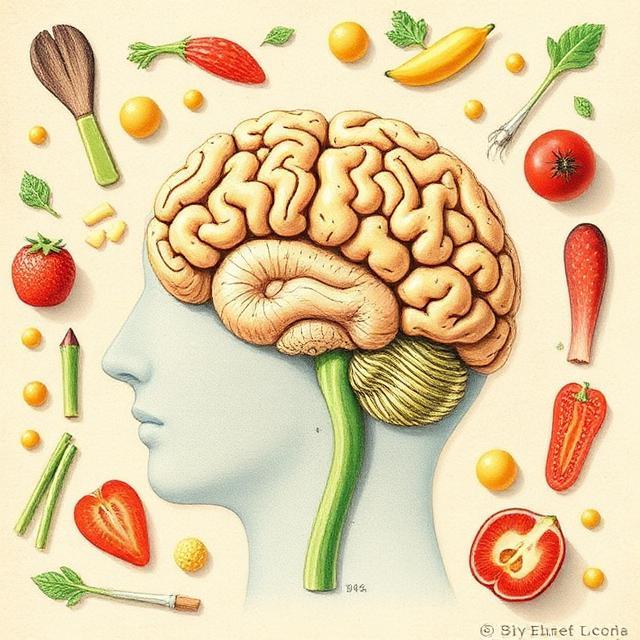
What Is the Gut-Brain Connection?
The gut-brain connection refers to the biochemical signaling that takes place between your gastrointestinal (GI) tract and your brain. These two organs are linked through a complex network called the gut-brain axis. It is a bidirectional communication system involving the nervous system, the immune system, hormones, and trillions of microorganisms living in your gut.
At the heart of this system is the vagus nerve, the longest cranial nerve in the body, which runs from the brainstem all the way down to the abdomen. It acts as a superhighway carrying messages in both directions, such as your brain talks to your gut, and your gut talks back.
This is not a metaphor. Your gut genuinely influences how you feel, think, and behave.
Your Gut Is Literally a Second Brain
The enteric nervous system (ENS) operates so independently from the central nervous system that neuroscientists have nicknamed it the “second brain. Approximately 90% of the body’s serotonin is produced in the gut, not the brain. Serotonin is the neurotransmitter most closely associated with mood, happiness, and emotional stability. When your gut health is compromised, serotonin production can be disrupted, your mood pays the price.
Your gut also produces other key brain chemicals including:
- Dopamine — linked to motivation and reward
- GABA — a calming neurotransmitter that reduces anxiety
- Norepinephrine — involved in stress responses and alertness
This means your gut is not just digesting food. It is actively producing the chemicals that regulate how you feel every single day.
The Gut Microbiome and Mental Health
Inside your digestive system lives a vast community of bacteria, fungi, and other microorganisms collectively known as the gut microbiome. A healthy microbiome has trillions of different microbes. When these microbes stay balanced, they help your body and mind stay healthy.
This emerging field, sometimes called psychobiotics, explores how targeting gut bacteria through diet and probiotics can improve mental health outcomes. While the research is still evolving, the evidence is compelling enough that many psychiatrists and psychologists now consider gut health a meaningful part of mental wellness
Research has established a strong link between the composition of the gut microbiome and common mental health conditions including:
Depression
Studies show that people with depression often have lower microbial diversity in their gut. Certain bacterial strains appear to be consistently reduced in individuals with major depressive disorder.
Anxiety
Animal studies have demonstrated that germ-free mice, raised without any gut bacteria, show significantly higher anxiety-like behavior. When gut bacteria were introduced, anxiety levels decreased. Explore more on gut and anxiety connection.
Stress
Chronic stress disrupts the gut microbiome, and a disrupted microbiome in turn amplifies the stress response. Hence, it creates a damaging cycle that affects both mental and physical health.
Foods That Support the Gut-Brain Axis
The good news is that you have significant power to improve your gut-brain health through the food choices you make each day. Research consistently points to a few key dietary patterns and foods that benefit both gut and mental health.
Fermented Foods Yogurt, kefir, kimchi, sauerkraut, and kombucha are rich in live probiotics. Regular consumption of fermented foods has been linked to reduced anxiety and improved mood.
High-Fiber Foods Fiber feeds the good bacteria in your gut. Vegetables, fruits, legumes, and whole grains are essential for maintaining microbial diversity. A fiber-rich diet is consistently associated with lower rates of depression.
Omega-3 Fatty Acids Found in fatty fish (salmon, sardines, mackerel), walnuts, and flaxseeds, omega-3s reduce neuroinflammation and support healthy brain function. They are among the most well-researched nutrients for mental health.
The Mediterranean Diet Widely regarded as the gold standard for brain-gut health, the Mediterranean diet emphasizes whole foods, healthy fats, lean proteins, and abundant vegetables. Multiple large-scale studies have found that adherence to this dietary pattern is associated with significantly lower rates of depression and anxiety.
Final Thought
The gut-brain connection is not just an interesting piece of science. It is a practical, actionable insight. Mental health is not purely psychological. It is also biological, and the biology starts, in part, in your digestive system.
If you are experiencing persistent low mood, anxiety, brain fog, or stress, it is worth asking: what have I been feeding my gut?
To adress mental health comprehensively, combining good nutrition with psychological support is quickly becoming a cornerstone of modern, integrative mental health care. The relationship between food and mood is not a wellness trend. It is backed by decades of neuroscience, gastroenterology, and psychology research.