
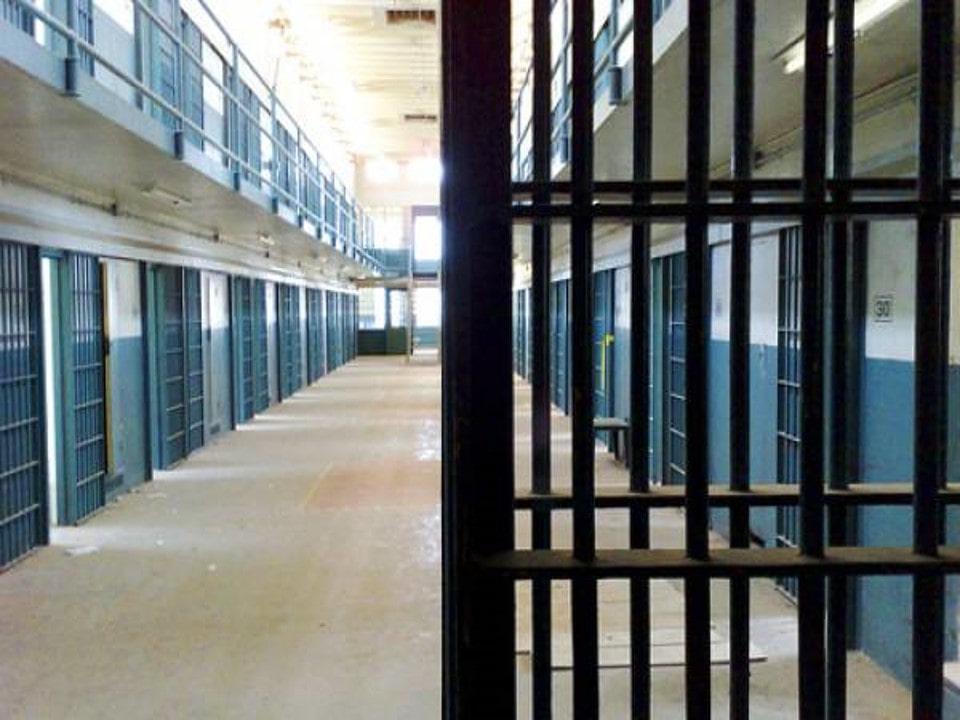
Forensic psychologists in law enforcement and corrections help agencies choose, support, and train their staff. They also assess and treat people in custody. In a police department, most of the work focuses on officers: hiring checks, fitness-for-duty exams, counseling, and training. In a prison or jail, it focuses on people in custody: intake screening, treatment, risk assessment, and release planning.
You will not usually find these psychologists in a police station interview room. They tend to work for the agency as staff members or outside consultants. They are not detectives, and they do not read suspects’ minds. This guide explains what they really do, step by step, in both settings. For the full picture of the field, start withWhat is Forensic Psychology?
Police psychologist or forensic psychologist?
The two terms overlap. Police and public safety psychology is one area within forensic psychology. These psychologists serve police, sheriff’s offices, and other public safety agencies. The agency is often the client.
This is different from investigative psychology, which helps police work on crimes through profiling and case linking. You can read the difference in our guide to the investigative psychologist vs forensic psychologist. To see where police work fits among the other areas, see the types of forensic psychology.
What do psychologists do in police departments?
A national survey of the 50 largest US police and sheriff’s agencies, published in 2002, gives a useful picture. Most agencies with in-house psychology units offered clinical services, peer counseling, critical incident stress debriefing, stress management, staff training, and operational support. When an officer’s fitness for duty came into question, most agencies used an outside consultant.
The main services fall into five groups.
-
Pre-employment evaluations
Psychologists help agencies decide who is mentally and emotionally ready to become an officer. This is one of the most common services. We explain the steps in the next section.
-
Fitness-for-duty evaluations
A fitness-for-duty evaluation looks at a current officer. It starts when there is objective evidence that the officer may not be able to do the job safely, and a reasonable basis to think psychological factors may play a role. Examples include threats, unusual behavior, or a pattern of serious complaints.
In these evaluations, the client is the agency. The officer is told this clearly and gives consent. The report stays focused on one question: can this person safely do the defined job? It does not wander into private matters that have no bearing on that question.
Results are often reported as fit, unfit, or fit with conditions, such as treatment or time off.
-
Counseling and support for officers and families
Police work brings stress, trauma, and long hours. Many psychologists provide counseling for officers and their families. Many agencies also run peer support programs, where trained colleagues give early help.
After a critical event, such as an officer-involved shooting, psychologists may offer support and follow-up. The International Association of Chiefs of Police (IACP) Police Psychological Services Section has guidelines on this too. Mental health matters in high-pressure jobs. For more on stress and the body, read how stress affects your health.
-
Training and organizational consulting
Psychologists also help agencies train officers and improve the workplace. Topics can include crisis response, stress management, communication, and leadership. They may advise on policies, supervision, and morale.
-
Operational support
Some psychologists help with special situations. Examples are advice for crisis or hostage negotiation teams, threat assessment, and guidance for investigators on interviewing people with mental health problems. These roles vary a lot by agency.
How do psychologists evaluate police candidates?
A pre-employment evaluation tries to find out whether a candidate has the traits the job demands. These include emotional stability, good judgment, impulse control, stress tolerance, honesty, and the ability to work with people.
Here is how the process usually works.
- The agency makes a conditional job offer. In the US, the Americans with Disabilities Act (ADA) limits medical and disability-related questions before a job offer. IACP guidelines therefore say the psychological evaluation must happen after a conditional offer.
- The candidate takes written tests. These often include personality tests, such as the MMPI-2-RF or MMPI-3 and the California Psychological Inventory. The tests must fit the purpose of the evaluation.
- The psychologist conducts an interview. It covers history, decision making, past conflicts, and how the person handles stress.
- The psychologist reviews other information. This can include background checks and application materials. Some agencies also use structured exercises or job-based scenarios.
- The psychologist writes a report. It says whether the person meets the agency’s psychological standards for the job.
- The agency decides. The psychologist gives advice. The hiring authority makes the final call.
The IACP guidelines say the evaluation should be one part of the overall hiring process, and that psychologists should only work within their training. Good programs also check that their methods are fair and tied to real job demands.
Role of forensic psychologists in corrections
Forensic psychologists in corrections work with people in prisons and jails and with people on probation and parole. Their goals are mental health, safety, and a smoother return to the community.
Intake screening: When a person enters a facility, staff check their mental health needs right away. The goal is to spot serious mental illness, suicide risk, and medical or substance use problems early, so the person can get help and the facility can place them safely.
Assessment: Psychologists give tests, interpret the results, and write reports. Common tools include personality tests like the MMPI-3 or MMPI-2-RF, cognitive and intelligence tests, and structured risk tools.
They also assess suicide risk, which means judging how likely someone is to hurt themselves and what protection is needed.The psychologist may also use a mental status exam. You can learn about it in our guide to the mental status examination.
Treatment
Correctional psychologists run individual and group therapy. Common focus areas include:
substance use
anger management
domestic violence
sex offense treatment
trauma
cognitive behavioral programs that teach new ways to think and act
The aim is to treat mental illness and lower the chance that a person will offend again after release.
Crisis response and safety
Psychologists respond when someone is in crisis, for example after a suicide attempt or a sudden change in behavior. They also may check on people in restrictive housing, because isolation can harm mental health.
Release and reentry
Before someone leaves custody, psychologists may assess risk and needs and help plan care in the community. Release boards and courts may use their reports. Planning for housing, treatment, and follow-up improves the chance of a safe return.
Probation and parole
Some psychologists work with people under community supervision. They may run treatment programs, give evaluations, or advise supervising officers.
When are people in custody psychologically assessed?
Assessments happen at key points:
- At intake, to find mental health needs early.
- In a crisis, such as suicidal thoughts or severe symptoms.
- When staff or the person ask for help.
- During treatment, to check progress.
- Before important decisions, like changes in housing or program placement.
- Before release, to plan care and judge risk.
- When a legal question comes up, such as competency to stand trial or competency to be executed.
Competency to be executed
This is one of the most serious assessments in the field. US Supreme Court decisions set the limits:
- Ford v. Wainwright (1986): the Eighth Amendment bars executing a person who is insane.
- Panetti v. Quarterman (2007): the person must have a rational understanding of why the state is carrying out the execution, not just awareness that it will happen.
- Madison v. Alabama (2019): the Constitution may bar execution of a person with dementia who cannot rationally understand the reason, even if they cannot remember the crime.
- Atkins v. Virginia (2002): the Constitution bars executing people with intellectual disability.
The evaluator looks at the person’s mental state, understanding, and reasoning, using records, interviews, and testing. Some psychologists take part in these cases. Others decline for personal or professional reasons. The work calls for strict neutrality and great care.
Ethical challenges in these settings
Both police and correctional work raise special questions.
- Who is the client? In many cases, the agency, not the officer or the person in custody.
- Limits of privacy. People must be told in plain words what will be shared and with whom.
- Dual loyalty. Psychologists must keep clinical judgment separate from security or management pressure.
- Treatment vs evaluation. The same psychologist should not treat someone and also evaluate them for a legal decision.
- Consent. People in custody may feel they cannot say no. Psychologists need to explain what is voluntary.
Read more in our guide on ethical considerations in forensic psychology.
How to become a police or correctional psychologist
Most of these jobs need a doctorate in psychology, a state license, and supervised experience. Some correctional roles accept master’s-level clinicians. Joining groups like APA Division 18 (Psychologists in Public Service) and the IACP Police Psychological Services Section helps you learn and network. See our step-by-step guide on how to become a forensic psychologist and the overview of forensic psychology careers and salary.
Skills and challenges
The work suits people who stay calm, communicate clearly, and can be fair when stakes are high. It can also be hard. You may hear about violence and trauma, work in secure settings, and face pressure from agencies. Supervision, peer consultation, and self-care are part of doing it well.
Final Thoughts
Forensic psychologists serve two groups in this field: the people who work in the justice system, and the people held within it. They help agencies hire well, help officers stay healthy, and help people in custody get care and plan for release. Their work is quiet, careful, and based on strict ethical rules.
Sources
- International Association of Chiefs of Police, Police Psychological Services Section. (2014). Pre-employment psychological evaluation guidelines. https://theiacp.org/sites/default/files/2018-08/Psych-PreemploymentPsychEval_0.pdf
- International Association of Chiefs of Police, Police Psychological Services Section. Guidelines for police psychological services (pre-employment, fitness-for-duty, officer-involved shootings, peer support). https://www.theiacp.org
- U.S. Equal Employment Opportunity Commission. Disability-related inquiries and medical examinations. https://www.eeoc.gov
- Journal of Police and Criminal Psychology, 17(2), 18-31 (2002). National survey of police and sheriff’s agencies on pre-employment and fitness-for-duty evaluation services (NCJRS record 197791). https://www.ncjrs.gov
- Federal Bureau of Prisons: https://www.bop.gov
FAQs
They screen job candidates, evaluate officers whose fitness for duty is in question, provide counseling and peer support, and train officers and leaders.
After a conditional job offer, they use written tests, an interview, and other information. They then write a report, and the agency makes the hiring decision.
It is a specialized exam of a current employee when there is objective evidence the person may not be able to do the job safely, and psychological factors may be involved.
They screen people at intake, assess risk and mental health, provide therapy, respond to crises, and help plan release.
At intake, during crises, during treatment, before major decisions, before release, and when a legal question comes up.
No. Police psychologists mostly support the officers and the agency. Profiling is a separate and smaller area.
